Awareness Campaign in Meta Ads
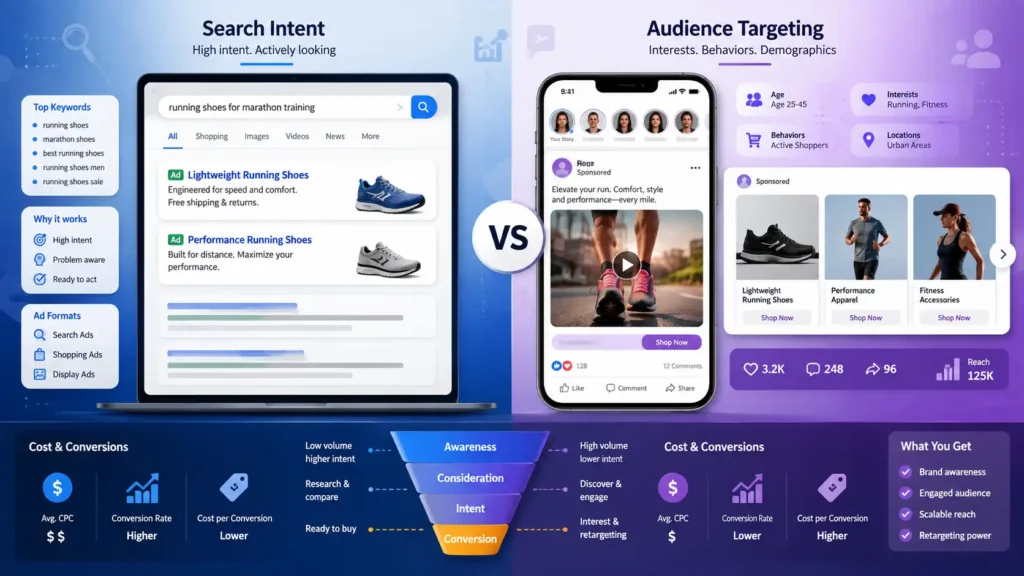
What Is an Awareness Campaign in Meta Ads? An awareness campaign in Meta Ads helps businesses introduce their brands, products or services to potential customers on platforms such as Facebook and Instagram. Instead of focusing primarily on immediate sales or website visits, this campaign objective aims to increase brand visibility and help people become familiar with a business. In this blog, TLM Studios Private Limited, a trusted digital marketing agency in Kerala, explores the purpose of awareness campaigns in Meta Ads, their key benefits and when businesses should use them. Understanding this campaign objective can help businesses choose suitable advertising strategies and build brand recognition among their target audiences. Purpose of an Awareness Campaign in Meta Ads Build Top-of-Funnel Recognition Awareness campaigns help businesses introduce their brands to people who may not know about them yet. By presenting the brand name, products, services and key messages to a relevant audience, businesses can begin building familiarity at the top of the marketing funnel. This can support future marketing efforts as potential customers become more familiar with the brand. Maximise Reach and Impressions One of the primary purposes of awareness campaigns is to increase brand visibility. Depending on the selected performance goal, Meta can optimise ad delivery to reach more unique people or generate more impressions. Reach measures the number of unique people who see an ad, while impressions measure how many times the ad is displayed. These metrics help businesses understand how widely their message is being delivered. Improve Ad Recall Brand visibility is more valuable when people remember the message they see. Awareness campaigns can use the ad recall lift performance goal to optimise delivery towards people who are more likely to remember seeing an advertisement. Clear messaging, consistent branding and distinctive creatives can support memorability, although campaign delivery does not guarantee that every viewer will remember the brand. Deliver Video Storytelling Video ads allow businesses to communicate their brand stories, demonstrate products, introduce services and explain their value through visuals and sound. Meta’s Awareness objective supports video-focused performance goals, depending on the available campaign settings. Short, engaging videos with clear messages can help businesses introduce their offerings and communicate what makes their brands different. Set Up Retargeting Pools Awareness campaigns can help businesses build audiences for future advertising. For example, businesses may create Custom Audiences from eligible video viewers or people who have interacted with their Facebook Page or Instagram account, depending on the audience source and available settings. These audiences can then be used in suitable follow-up campaigns to deliver more relevant messages. However, audience creation depends on eligibility, available data and Meta’s requirements. When to Use It An awareness campaign is useful when the primary goal is to increase brand visibility rather than generate immediate leads or sales. Businesses can consider this objective in the following situations: Launching a new brand or product: Introduce a business, product or service to potential customers and build initial recognition. Entering a new market: Increase visibility among relevant audiences in a new geographical area or customer segment. Promoting a brand message: Communicate a company’s values, strengths, services or important announcements to a wider audience. Building familiarity before retargeting: Reach new audiences and develop eligible engagement-based audiences for subsequent campaigns. Running video-led brand campaigns: Use video creatives to tell a brand story, demonstrate a product or introduce a service. However, an awareness campaign may not be the most suitable choice when the primary objective is to generate enquiries, collect leads or drive purchases. In such cases, businesses should consider the relevant Leads, Sales or other campaign objectives based on their desired outcome. The campaign objective should always align with the main business goal. Conclusion Awareness campaigns in Meta Ads help businesses increase visibility, introduce their offerings and build familiarity among potential customers. By selecting appropriate performance goals, creating relevant ad content and evaluating metrics such as reach, impressions and ad recall, businesses can assess how effectively their campaigns communicate their brand messages. TLM Studios Private Limited provides digital marketing services to help businesses achieve their marketing goals. If you are looking for the best digital marketing agency in Kerala, the company offers services such as social media marketing, paid advertising, content creation and SEO to help businesses strengthen their online presence and reach their target audiences.
Awareness Campaign in Meta Ads Read More »