Digital Marketing Trends in 2026
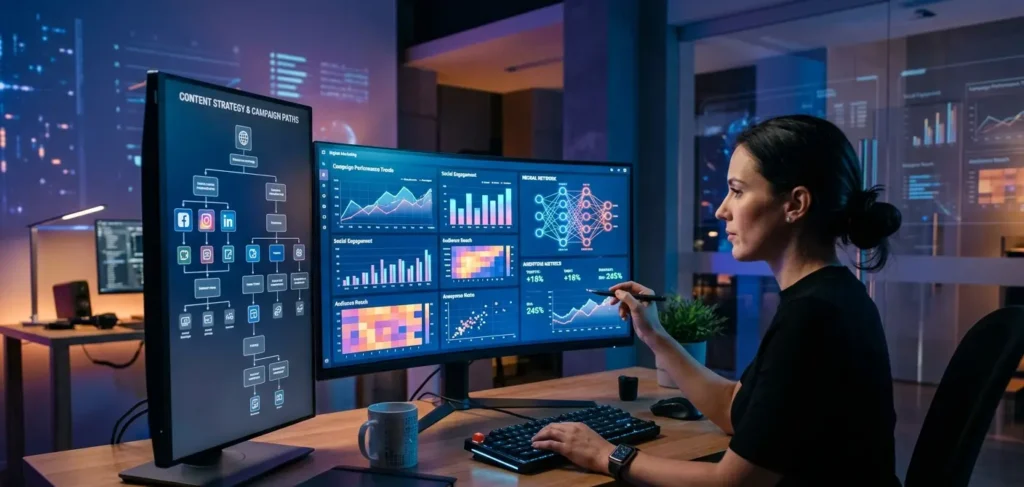
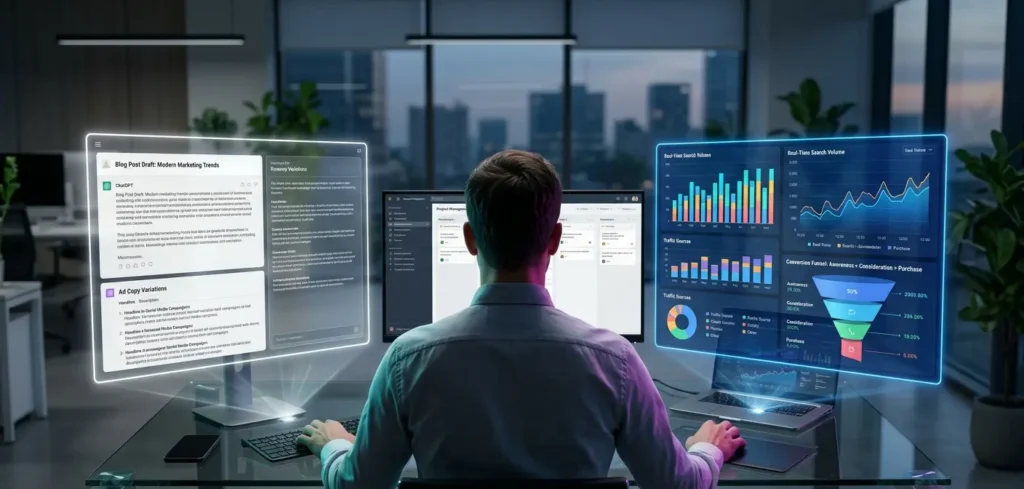
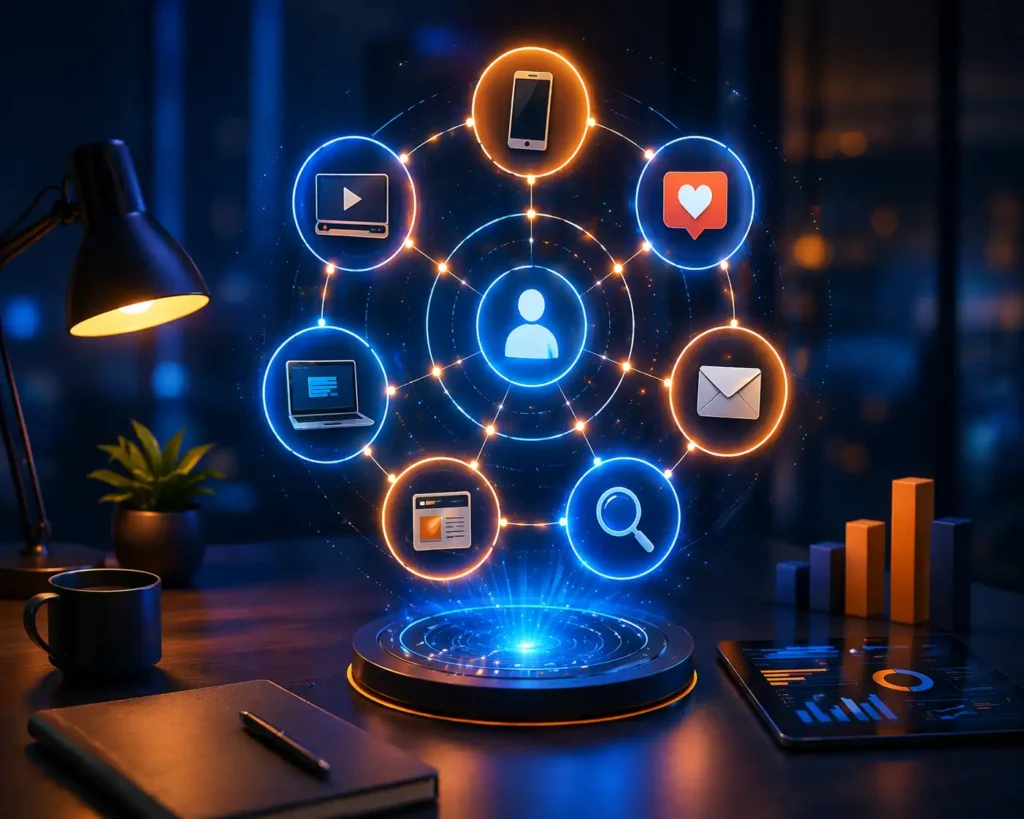
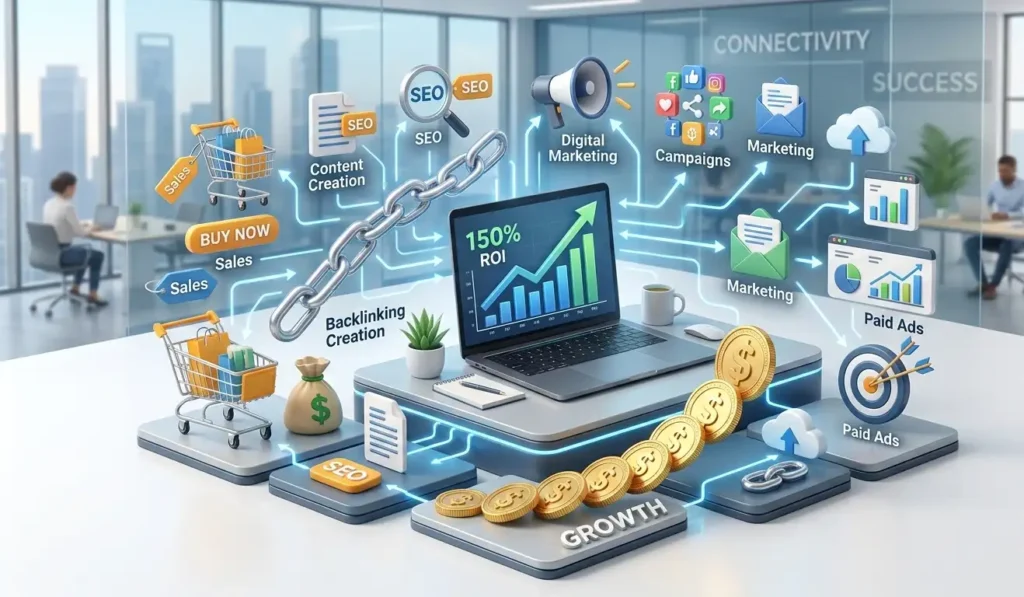
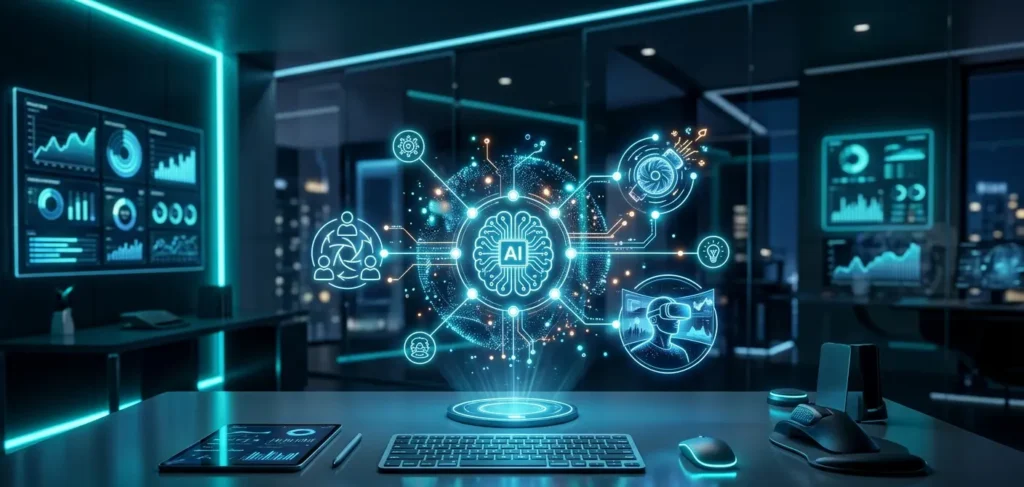
Digital marketing is expected to undergo significant change in 2026 as a result of AI-driven personalisation, voice search optimisation, the dominance of short-form videos, and data privacy-first tactics that are redefining audience engagement. Companies now compete for relevance in real time across several digital touchpoints rather than just visibility. In this ever-changing landscape, staying current on the latest trends is critical for long-term success and improved consumer engagement. Working with the best digital marketing agency in Kerala can help you stay ahead of the curve and transform these new trends into quantifiable outcomes, regardless of your brand’s size. Digital Marketing Trends in 2026 The Rise of AI Agents and Systemic Empathy: AI agents are evolving beyond basic automation to intelligent marketing decision-making collaborators. They are now capable of managing client interactions, real-time campaign optimisation, and highly accurate user intent prediction. Alongside this, “systemic empathy”—where AI and data systems are made to comprehend emotional context rather than just behavior—is becoming a crucial strategy. This combination enables brands to provide more meaningful, individualised, and human-like experiences at scale. From SEO to GEO (Generative Engine Optimization): The rise of AI-powered engines and generative search platforms has accelerated the evolution of search. Instead of simply ranking on traditional search engines, brands must now optimise for AI-generated results. Generative Engine Optimization (GEO) concentrates on making content structured, authoritative, and context-rich so it can be cited or used directly by AI systems. In 2026, visibility depends on how well your content is understood and chosen by generative models, not just search rankings. Immersive Experiences: AR & VR Become Mainstream: Augmented Reality (AR) and Virtual Reality (VR) are no longer experimental; they are now essential marketing tools. Brands are utilising immersive experiences to let customers “try before they buy,” explore virtual showrooms, and participate in interactive storytelling. This change is making digital marketing more immersive, making it harder to distinguish between online and offline interaction, and greatly increasing conversion rates. The Return to Owned Channels: As ad costs (CPC) continue to grow, marketers are returning to owned channels like email, SMS, and RCS. These platforms enable businesses to engage directly with their customers without relying on third-party algorithms. Owned channels are becoming crucial for long-term client retention and sustainable growth in an increasingly competitive digital landscape due to their improved personalisation, higher deliverability, and stronger trust. Partnering with the Best Digital Marketing Agency in Kerala In today’s fast-changing digital landscape, businesses require more than just marketing; they require strategy, creativity, and adaptation. Working with the best digital marketing agency in Kerala, such as TLM Studios Pvt Ltd, can help organisations keep on top of developing trends such as AI-driven marketing, GEO optimisation, immersive AR/VR experiences, and owned audience growth. A skilled agency not only executes ads but also creates a robust digital environment that blends creativity and data-driven insights. From increasing visibility across search and AI platforms to developing high-converting customer journeys, the right partner will ensure constant growth and long-term brand impact in 2026 and beyond. Conclusion Digital marketing in 2026 is being transformed by intelligent automation, shifting search behaviors, immersive technologies, and a renewed emphasis on establishing direct audience relationships. From AI agents and systemic empathy to GEO, AR/VR experiences, and owned channels, brands that adjust quickly will acquire a significant competitive advantage in an evolving digital ecosystem. To successfully navigate these changes and convert trends into tangible growth, collaborating with the best ad agency in Kerala, such as TLM Studios Pvt Ltd, can make a major impact. The right agency combines strategy, creativity, and technology to help companies remain relevant, visible, and future-ready in a rapidly evolving digital landscape. Instagram Facebook Youtube Twitter Linkedin
Digital Marketing Trends in 2026 Read More »