
What Are the 7 Steps of Digital Marketing?
Being visible is not enough to establish a powerful internet presence; a well-thought-out plan is also necessary. Comprehending the 7 steps of digital marketing enables companies to establish significant relationships, draw in the appropriate clientele, and attain quantifiable growth. From research and planning to execution, optimization, and performance analysis, each stage is critical to creating successful digital campaigns. TLM Studios Pvt Ltd’s years of proven knowledge in the sector have helped companies navigate this ever-changing digital landscape with confidence and clarity.
Recognized as the Best digital marketing agency in Kerala, TLM employs tactical insight, creativity, and data-driven strategies to offer results that matter. This blog takes you through the 7 steps of digital marketing that form the core of effective digital marketing success.
7 Steps of Digital Marketing
The 7 Steps of Digital Marketing offer a methodical and transparent way to establish a powerful online presence and propel business expansion. Understanding your target audience and creating goals, as well as implementing strategies, improving campaigns, and assessing results, are all activities that assist guarantee every digital effort is intentional and productive. These stages build a strong basis for long-term digital success, regardless of the size of your brand.
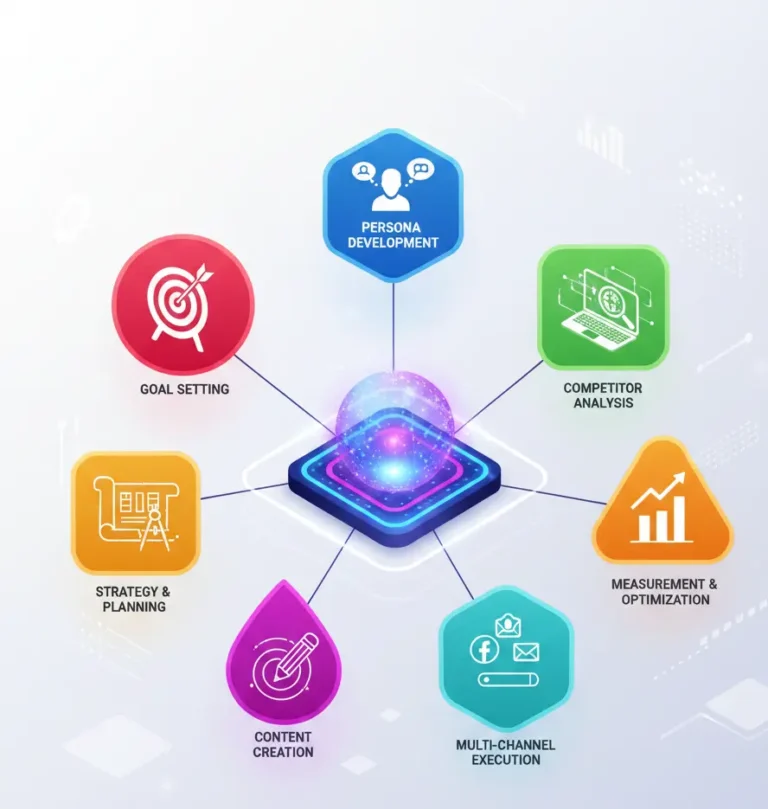
1. Define Your Goals
Define Your Goals is the cornerstone of an effective digital marketing plan and the initial step in the 7 steps of digital marketing. Before launching any campaign, you must clearly define your company’s goals, whether they are to raise brand awareness, increase website traffic, generate qualified leads, improve customer interaction, or drive sales and conversions. Clear goals give purpose to all digital activities and guarantee that your efforts are in line with broader business objectives.
Defining specific, measurable, achievable, relevant, and time-bound (SMART) goals aids in establishing targeted approaches and determining the proper digital channels, tools, and content formats. Well-defined goals make it simpler to monitor performance, assess outcomes, and improve campaigns. Without clear goals, digital marketing activities can become disorganized and unproductive. This phase is crucial for long-term growth and demonstrable success.
2. Identify Target Audience
Identify Target Audience is an essential step in the digital marketing process that concentrates on comprehending who your ideal customers are. This entails examining demographics, interests, online behavior, preferences, and pain points to identify the audience most likely to interact with your business. Understanding your target audience enables you to create pertinent content, select the appropriate platforms, and deliver your message in a way that genuinely connects.
Businesses can customize marketing efforts, increase engagement, and enhance conversion rates if they properly define their target audience. It also saves time and resources by ensuring that campaigns reach the appropriate people at the correct time. A clearly defined audience makes it possible for digital marketing tactics to be more targeted, efficient, and in line with consumer demands, which eventually improves outcomes and fortifies brand ties.
3. Conduct a Competitor Analysis
This stage enables you to understand how your competitors perform online. Studying their websites, content strategy, social media presence, keywords, advertising techniques, and consumer engagement approaches are all part of this process. Analyzing what competitors do well—and where they fall short—provides valuable insights into industry trends and customer expectations.
A thorough competitor study will help you uncover ways to differentiate your brand, tweak your messaging, and optimize your strategy. It enables you to set performance benchmarks, steer clear of typical pitfalls, and implement tried-and-true strategies that support your objectives. Ultimately, understanding your competitive environment enables you to make informed decisions and develop more effective, successful digital marketing initiatives.
4. Develop Your Marketing Strategy
This is where thoughts and research are turned into a clear, practical plan. This step entails selecting the appropriate digital channels, content types, messaging, and timing to get desired outcomes based on your established goals, target audience, and competitor analysis. All marketing initiatives will cooperate in a consistent and targeted way thanks to a well-organized strategy.
This step also entails determining how to allocate finances, selecting tools, and defining key performance indicators (KPIs) to assess progress. A solid marketing plan gives businesses focus, reduces uncertainty, and keeps them in line with their goals. Brands may increase reach, boost engagement, and promote long-term success in the digital space by creating a strategic and data-driven marketing plan.
5. Choose Your Channels to Promote Your Service
This step decides where and how your brand will connect with its target audience. This stage entails determining the most effective digital platforms—such as search engines, social media, email marketing, content marketing, or paid advertising—based on your objectives and the locations where your target audience is most active.
Choosing appropriate channels guarantees your message arrives at the ideal audience at the ideal moment, maximizing visibility and engagement. By concentrating resources on platforms that yield the best outcomes, it also aids in budget optimization. A well-chosen channel mix promotes a balanced marketing strategy, improves brand presence, and ensures continuous communication throughout the digital ecosystem.
6. Create Content
Developing quality, relevant, and engaging content is an important stage in digital marketing. This includes emails, videos, images, blogs, social media posts, and website material that aims to enlighten, educate, or inspire users while catering to their interests and requirements.
High-quality content enhances visibility across digital media, fortifies company identification, and fosters trust. Additionally, it aids in SEO initiatives, promotes audience participation, and helps prospective clients navigate the purchasing process. Businesses may effectively convey their message, draw in the correct audience, and foster meaningful interactions that result in conversions by producing consistent and strategic content.
7. Implement and Measure Your Results
It is the last stage of digital marketing, where tactics are implemented, and results are meticulously tracked. Launching campaigns across chosen channels, carrying out content strategies, and making sure all actions are in line with predetermined objectives are all part of this step.
Measuring results using important indicators like traffic, engagement, leads, conversions, and return on investment (ROI) can help you evaluate the effectiveness of your efforts. Frequent analysis enables companies to pinpoint areas for improvement, determine what is working, and implement data-driven changes. By continually implementing and evaluating results, brands can maximize performance, enhance outcomes, and attain sustainable digital marketing success.
How TLM Studios Can Help You with the Best Digital Marketing Services in Kerala
TLM Studios assists businesses in growing by providing results-driven and personalized digital marketing solutions that are suited to their specific objectives. With years of experience in the field, TLM Studios builds strong online presence and quantifiable success for companies in a variety of industries by combining strategic planning, creative content, and data-driven execution.
From SEO and social media marketing to performance advertising, content creation, and brand strategy, TLM Studios provides end-to-end digital solutions developed to attract the right audience and drive conversions. Recognized as the best digital marketing agency in Kerala, TLM Studios Pvt Ltd emphasizes transparency, creativity, and consistent performance, assisting businesses in staying ahead in an ever-changing digital landscape.
Final Thoughts
Understanding and applying the 7 Steps of Digital Marketing provides a clear road map for establishing a robust and effective online presence. Every stage, from setting objectives and determining the target market to producing content, selecting the best distribution channels, and tracking outcomes, is essential to fostering long-term company growth. These actions help brands connect with the proper audience, maximize return on investment, and maintain their competitiveness in the digital world when they are carried out deliberately and regularly. Businesses may transform digital marketing initiatives into long-term success and quantifiable outcomes by adhering to this systematic approach.